Your Video Library
 ▶Part 1
 ▶Part 2
 ▶Part 3
3 videos this week — swipe to see all →
Open on YouTube: Part 1 Part 2 Part 3
Cortisol is a steroid hormone produced by your adrenal glands, directed by the brain's HPA axis. It's not a "bad" hormone — it regulates metabolism, manages inflammation, supports your circadian rhythm, and helps you wake up with energy. Problems begin only when the system loses its rhythm. Chronic stress keeps the stress response switched on long after the original threat has passed, changing the architecture of your brain and body. The good news: epigenetic changes are reversible. Every habit in this protocol is molecular self-defense.
Actionable Items
-
1Take your baseline stress assessmentRate 15 statements from 1 (never) to 5 (almost always) covering overwhelm, sleep, energy, cravings, and pain. Repeat at Week 8 to measure your progress.Did you complete this today?0 of 7 days
-
2Morning light (3–10 min daily)Step outside within 10 minutes of waking and face natural light for a few minutes. This is the single most powerful free signal for anchoring your cortisol rhythm — you'll build on it every week of this protocol.
-
3Daily reflection journal (optional)Spend 5 minutes each evening filling in the daily reflection journal. Notice what felt easy, what felt hard, and how your body responded. This builds the self-awareness that makes every other habit more effective.Did you fill in your reflection journal today?0 of 7 days
 21 min▶
In a healthy body, cortisol peaks 30–45 minutes after waking (the cortisol awakening response), gently declines through the day, and reaches its lowest point at night so melatonin can rise. This rhythm is synchronized by light exposure, meal timing, sleep quality, and movement. When cortisol stays high in the evening you get racing thoughts, difficulty falling asleep, and waking at 3 AM. Light is the strongest daily cue — and your most powerful free tool.
Actionable Items
-
1Morning Light Protocol (3–10 min)Step outside within 10 minutes of waking. Face natural light; avoid sunglasses for the first few minutes. Anchors your SCN and sets your cortisol rhythm for the day. (Started in Week 1 — keep going.)Did you get morning light today?0 of 7 days
-
2Consistent wake time (±30 min)Your cortisol rhythm thrives on predictability. Irregular wake times confuse your internal clock — even on weekends.Did you wake at your target time?0 of 7 days
-
3Delay caffeine 60–90 min after wakingAllow your natural cortisol surge to finish before adding stimulants. Prevents the afternoon crash that follows early caffeine.Did you delay caffeine today?0 of 7 days
-
4Evening light disciplineDim indoor lights 1–2 hours before bed. Reduce screens or use blue light filters. Protects melatonin and helps cortisol drop naturally.Did you dim lights before bed?0 of 7 days
-
5Stop eating 2–3 hours before bedNighttime eating raises cortisol and body temperature, disrupting the sleep environment your body needs.Did you finish eating in time?0 of 7 days
-
6Close the stress loop at nightA calming ritual before bed (stretching, warm shower, slow breathing, journaling) signals your hypothalamus to shift toward nighttime mode.Did you do your wind-down ritual?0 of 7 days
 18 min▶
Continue from last week: Morning light, consistent wake time, evening wind-down, and no eating before bed from Week 2.
Breathing is the only bodily function controlled by both your conscious mind and your autonomic nervous system — making it a two-way door into your stress response. When you slow and lengthen your exhale, you directly stimulate the vagus nerve and shift from sympathetic (stress) mode into parasympathetic (recovery) mode. Slow breathing at 6 breaths/min raises heart rate variability (HRV), reduces cortisol and adrenaline, and improves mood, focus, and sleep. This works in seconds — not days.
Actionable Items
-
1Morning breath anchor (daily, ~1 min)Immediately after morning light, before reaching for your phone: 6 slow breaths — 4 counts in through the nose, 6 counts out through the mouth. Shapes your cortisol awakening response toward a calm peak rather than a reactive spike.Did you do your morning breath anchor?0 of 7 days
-
2Pre-meal pause (daily, ~1 min)Before your largest meal, take 3–6 slow breaths — in through the nose, out through the mouth. Shifts the body from sympathetic to parasympathetic mode, improves digestion, and blunts the post-meal cortisol response.Did you pause to breathe before your main meal?0 of 7 days
-
3After-stressor reset (as needed, ~2 min)Whenever you notice tension, irritability, or a stress reaction — do 4–6 rounds of box breathing: inhale 4 → hold 4 → exhale 4 → hold 4. This is the fastest lever you have for interrupting the cortisol spike mid-cycle.Did you use the after-stressor reset today?0 of 7 days
-
4Evening wind-down breath (nightly, 3 min)Replace your existing closing ritual with a deliberate breath practice: 4 cycles of 4-7-8 breathing (inhale 4 → hold 7 → exhale 8), or 3 minutes of 4-in/6-out. Do this as your final act before bed. Drops cortisol and signals melatonin to rise.Did you do your evening wind-down breath?0 of 7 days
You've completed 3 weeks. Before continuing, take a 5-minute assessment to see how your stress levels have shifted since Week 1.
 ▶Part 1
 ▶Part 2
 ▶Part 3
3 videos this week — swipe to see all →
Open on YouTube: Part 1 Part 2 Part 3
Continue from last week: Sleep habits (Wk 2) + all three breathwork practices — morning reset, midday box breathing, and evening downshift (Wk 3).
Every meal sends biochemical instructions to your stress system. Smooth glucose curves reduce counter-regulatory cortisol surges. Micronutrients — B-vitamins, magnesium, zinc, omega-3s, polyphenols — support neurotransmitters, mitochondrial energy, and anti-inflammatory pathways. Meal timing matters too: consistent daytime eating supports a healthy cortisol curve. The goal is to stabilize energy, reduce unnecessary alarm signals, and supply the raw materials for a resilient nervous system.
Actionable Items
-
1Morning hydration ritual300–500 mL water within 30 minutes of waking + a pinch of mineral salt or squeeze of lemon. Replenishes overnight losses and supports the cortisol awakening response. Dehydration as small as 1–2% raises cortisol — your brain reads it as a physical threat.Did you do your morning hydration ritual?0 of 7 days
-
2Apple cider vinegar with your highest-glycemic meal1–2 tsp in water with or just before that meal. Blunts post-prandial glucose spikes that trigger counter-regulatory cortisol. Skip if you have reflux or dental issues.Did you take apple cider vinegar with your meal?0 of 7 days
-
37-Day Meal PlanFollow the daily meal template — protein + fiber at every main meal. Stable glucose keeps cortisol quiet between meals and supports the gut-brain axis.Did you follow today's meal plan?0 of 7 days
-
4Eat without distractions (daily)At your main meal each day, put your phone face-down and mute or turn off any screen. Distracted eating keeps the sympathetic nervous system partially activated — suppressing the parasympathetic "rest and digest" state the gut needs to absorb nutrients properly.Did you eat your main meal without screens or distractions?0 of 7 days
 ▶Part 1
 ▶Follow-Along Workout Guide - Part 1
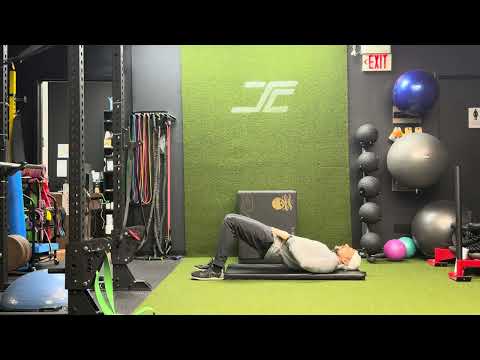 ▶Follow-Along Workout Guide - Part 2
3 videos this week — swipe to see all →
Open on YouTube: Scientific Explanation Follow-Along Workout Guide - Part 1 Follow-Along Workout Guide - Part 2
Continue from last week: Sleep habits, breathwork, hydration, nutrition, and gut habits from Weeks 2–4.
Exercise is a controlled stressor — a small dose that teaches your body to spike cortisol briefly and then recover quickly. Regular movement lowers baseline cortisol, improves HRV, and makes the HPA axis less reactive to everyday stressors. The cardiovascular benefits compound this: better circulation, lower baseline blood pressure, and improved heart rate variability all feed back into a calmer stress response.
Actionable Items
-
1Daily walk (every day)Every day, take at least one walk of any length — morning, after a meal, or whenever suits you. Walking lowers cortisol, improves insulin sensitivity, supports mood via BDNF release, and is one of the easiest habits to sustain long-term.Did you go for a walk today?0 of 7 days
-
2Exercise or movement (4–5×/week)Do some form of physical movement 4–5 times this week — any format counts: yoga, cycling, swimming, strength training, a longer walk, or stretching. Consistent movement trains the HPA axis to respond briefly to stress and recover quickly. Tip: after any session, spend 2–3 minutes with a slow extended exhale (4-in/6-out).Did you exercise or move today?0 of 7 days
 22 min▶
Continue from last week: Sleep habits, breathwork, nutrition, gut habits, and daily movement from Weeks 2–5.
Cortisol raises blood glucose by design — part of the fight-or-flight response. But chronically elevated cortisol keeps glucose elevated, drives insulin resistance, promotes visceral fat storage, and suppresses sex hormone production via pregnenolone steal. Breaking this cycle requires stabilizing blood sugar through food order, meal timing, fiber, movement, and sleep.
Actionable Items
-
1Eating order: vegetables → protein and fat → starch lastAt every meal, eat vegetables and protein before starch. This simple order can reduce post-meal glucose spikes by 20–40% (Shukla et al., 2015) and keeps insulin from spiking cortisol in response.Did you eat veg/protein before starch today?0 of 7 days
-
2Hourly movement snack — 200m walk or 10 squatsOnce per hour during your sitting time, stand up and either take a slow 3-minute walk (roughly 200 metres) or do 10 slow bodyweight squats. Brief lower-body contractions trigger GLUT4 translocation — glucose enters muscle cells directly, without needing insulin — significantly reducing the glucose and insulin spike from prolonged sitting.Did you break up your sitting every hour today?0 of 7 days
-
3Evening eating window (nightly)Stop eating 2–3 hours before bed. This allows insulin to clear, supports overnight growth hormone release, and helps stabilize the cortisol rhythm. If late hunger strikes, a small protein snack (a few nuts, an egg) is better than a high-carb option.Did you stop eating 2–3 hours before bed tonight?0 of 7 days
-
4Post-meal walk (10 min daily)After lunch or dinner — whichever is your largest meal — take a relaxed 10-minute walk. A post-meal walk can reduce the glucose spike by up to 30% by driving glucose into muscle cells via GLUT4. Lower glucose spike = lower reactive insulin = less cortisol rebound.Did you walk after your main meal today?0 of 7 days
You're two-thirds through the protocol. Take your second progress check to see how far you've come — and unlock the final stretch.
 ▶Part 1
 ▶Part 2
2 videos this week — swipe to see all →
Open on YouTube: Part 1 Part 2
Continue from last week: All habits from Weeks 2–6.
Chronic cortisol shrinks the hippocampus, impairs neurogenesis, and disrupts the glymphatic system — the brain's overnight waste-clearance mechanism. It also enlarges the amygdala and shrinks the prefrontal cortex, affecting mood, emotional regulation, and pain perception. The same habits that lower cortisol measurably protect and reverse these structural changes.
Actionable Items
-
1Morning lymphatic reset — 5–10 min gentle movement (daily)Within the first 30 minutes of waking, do 5–10 minutes of light movement: slow neck rolls (left, right, forward, back), shoulder shrugs and circles, gentle spinal twists, and 5–10 slow deep belly breaths. Stimulates drainage of the cervical lymph nodes — completing the glymphatic clearance cycle that sleep begins. (Louveau et al., 2015; Jessen et al., 2015)Did you do your morning lymphatic movement today?0 of 7 days
-
2Cognitive brake tap (1–3×/day)When you notice stress building: name the state ("anxious," "foggy," "tense"), then take one immediate micro-action — stand up, take a slow breath, step to natural light, or sip water. Labeling the emotion reduces amygdala reactivity; the micro-action shifts your autonomic state without requiring a full practice session.Did you use the cognitive brake tap today?0 of 7 days
-
3Cool your bedroom (17–19°C / 63–66°F)Keep your bedroom at a cool, consistent temperature each night. Core body temperature drop is a key trigger for slow-wave sleep — the phase when glymphatic clearance of amyloid-β and tau is most active. Combined with your existing dim-lights and no-late-eating habits, this fully protects overnight brain maintenance.Did you keep your bedroom cool tonight?0 of 7 days
-
43-minute evening downshift (nightly)Replace the evening wind-down breath with this fuller closing sequence: 1 minute body scan (jaw → shoulders → chest → belly) → 6 breaths 4-in/6-out → 30–60 seconds of warmth (warm shower, heat pack, or gentle stretch). This becomes your permanent evening anchor — lowering sympathetic output and enabling melatonin to rise reliably.Did you do your 3-minute evening downshift tonight?0 of 7 days
-
5Social walk (optional, 1–2×/week)Use one or two of your daily walks to call a friend or family member, or walk with someone in person. Social interaction activates the ventral vagal circuit, releases oxytocin, and lowers cortisol — stacking it with movement gives you both benefits in a single slot. (Cacioppo & Hawkley, 2003; Heinrichs et al., 2003)Did you call or talk to someone on your walk this week?0 of 7 days
 25 min▶
Continue from last week: Your full daily routine from Weeks 2–7 — this is the stack you're keeping for life.
Loneliness raises cortisol at a rate comparable to smoking 15 cigarettes a day. The amygdala treats social isolation as a physical danger signal — activating the same HPA axis response as a predator threat. Genuine connection — not scrolling, not passive media — quiets the HPA axis, lowers evening cortisol, and accelerates sleep onset. You don't need a crowd. You need one or two people who make your nervous system feel safe.
Actionable Items
-
1One genuine conversation per day (daily)Have at least one conversation where you are fully present — phone down, making eye contact, asking real questions, listening without planning your reply. In person or voice call counts; passive text threads do not. A 10-minute fully attentive exchange outperforms an hour of co-presence.Did you have a genuine conversation today?0 of 7 days
-
2Schedule one meaningful connection this week — in person or live video callBlock time in your calendar like a non-negotiable appointment — a walk with someone you trust, a shared meal, or a long unhurried call. In-person is the biological gold standard: physical co-presence and genuine eye contact trigger oxytocin release that directly quiets the HPA axis. If distance, health, or life circumstances make that impossible right now, a live video call (FaceTime, WhatsApp, Zoom) activates the same ventral vagal response and is a real and meaningful alternative. What matters is that the exchange is mutual, unhurried, and genuinely present — not a text thread, not passive co-watching.Did you have a meaningful in-person or live video connection this week?0 of 7 days
-
3Shared meals or movement (2–3×/week)Eat with someone, or exercise with a friend, partner, or group. Combining social connection with eating and movement amplifies the cortisol-buffering effect of all three — a compounding win for HPA recovery, gut health, and sleep.Did you share a meal or movement today?0 of 7 days
-
4One digital boundary to protect presence (daily)Set a phone-away rule during one meal or one hour each day. Fragmented attention signals low-grade threat and prevents the depth of connection that activates the vagal brake. This single boundary consistently improves the quality of all social interactions around it.Did you protect one hour from your phone today?0 of 7 days
-
5Week 8 re-test — PSS-10 & Symptom AssessmentTake the same two-part assessment you completed at Week 1 to measure how your stress physiology has changed across the full protocol. Your results are saved and shown alongside all your earlier scores on the Progress page.Take Re-Test →
Minimum viable routine: If life gets demanding, protect these three: morning light + balanced plate at every meal + 3-min evening downshift. These three habits maintain your cortisol rhythm at the most fundamental level.